
Product strategy
What to Sell on TpT: Choose Useful Teacher Resources
The strongest product direction is usually a problem you understand well enough to solve clearly. Instead of starting with a broad trend, define the teacher, classroom situation, learning goal, and amount of preparation the resource should remove.
Updated June 12, 2026
Use your subject and grade expertise
A focused product for a specific grade band or skill is easier to explain and test than a generic resource for every learner. Start where you understand the vocabulary, standards, common misconceptions, and classroom routines.
- Practice and review materials
- Classroom displays and anchor charts
- Small-group activities
- Writing and response pages
- Digital presentation resources
Choose a delivery format that fits the activity
A printable PDF works well for worksheets, posters, cards, and games. Google Slides may fit presentation or digital response activities. A bundle should have a clear reason for combining files rather than being a collection of unrelated pages.
The listing must describe the actual format and whether print or digital versions are included.
Evaluate preparation and reuse
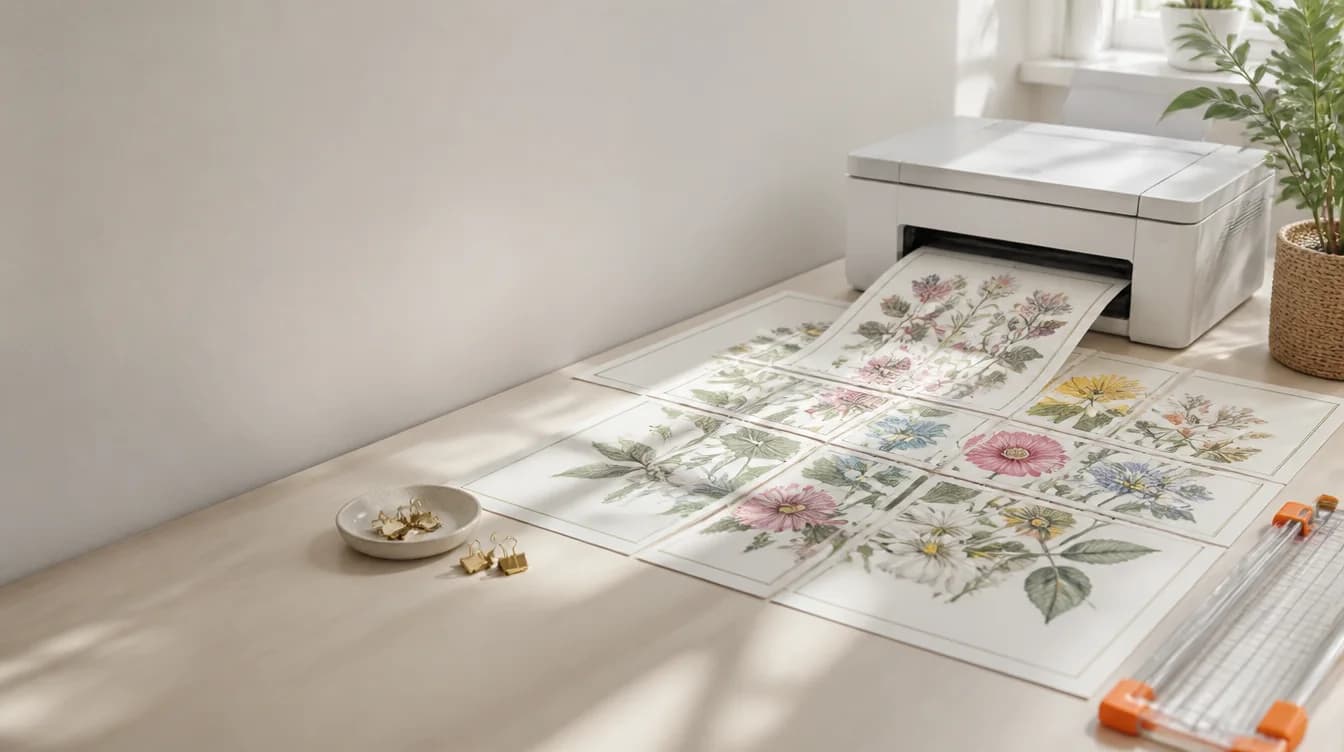
Teachers often value resources that are clear, easy to prepare, and reusable. That does not mean every product should be described as no prep. Be specific about cutting, laminating, assembling, printing, or assigning.
Validate before expanding
Create a complete first product, ask educators to review the instructions, and use customer feedback to decide whether a series is useful. Avoid generating dozens of near-duplicate products before the base workflow is proven.
Turn a clear product idea into a listing draft
Describe the real resource structure and generate editable title, description, keyword, and thumbnail ideas.
Open AI Listing